Naturalist Intelligence
🌿 NATURE SMART
Discover your natural ability to observe, classify, understand, and appreciate the living world. BrainSeeds' scientifically designed Naturalist Intelligence Assessment helps identify your strengths in environmental awareness, scientific curiosity, ecological thinking, and nature-based learning while providing a personalised roadmap for lifelong growth.
12+
Assessment Dimensions
25–40
Minutes
Personalised
Development Report
Naturalist Intelligence
🌿 NATURE SMART
Discover your natural ability to observe, classify, understand, and appreciate the living world. BrainSeeds' scientifically designed Naturalist Intelligence Assessment helps identify your strengths in environmental awareness, scientific curiosity, ecological thinking, and nature-based learning while providing a personalised roadmap for lifelong growth.
12+
Assessment Dimensions
25–40
Minutes
Personalised
Development Report
Overview of Naturalist Intelligence
The ability to identify and distinguish patterns, characteristics and relationships within the natural environment.
Howard Gardner later added naturalist intelligence to his Multiple Intelligences framework. He has described it as the capacity to make consequential distinctions in the natural world—for example, among plants and animals—and noted that such capacities can also extend to distinguishing categories and patterns in the human-made world.
What Does “Nature Smart” Mean?
A person with comparatively strong Naturalist Intelligence may naturally demonstrate abilities such as:
Naturalist Intelligence should not be confused simply with “liking nature.” A person may enjoy gardening, hiking, animals or outdoor activities without necessarily demonstrating a strong cognitive capacity for identifying and interpreting natural patterns. Likewise, an individual with strong Naturalist Intelligence may not necessarily spend significant amounts of time outdoors.
Therefore, assessment should look beyond preferences and consider patterns of ability, reasoning, observation and classification.
Overview of Naturalist Intelligence
The ability to identify and distinguish patterns, characteristics and relationships within the natural environment.
Howard Gardner later added naturalist intelligence to his Multiple Intelligences framework. He has described it as the capacity to make consequential distinctions in the natural world—for example, among plants and animals—and noted that such capacities can also extend to distinguishing categories and patterns in the human-made world.
What Does “Nature Smart” Mean?
A person with comparatively strong Naturalist Intelligence may naturally demonstrate abilities such as:
Naturalist Intelligence should not be confused simply with “liking nature.” A person may enjoy gardening, hiking, animals or outdoor activities without necessarily demonstrating a strong cognitive capacity for identifying and interpreting natural patterns. Likewise, an individual with strong Naturalist Intelligence may not necessarily spend significant amounts of time outdoors.
Therefore, assessment should look beyond preferences and consider patterns of ability, reasoning, observation and classification.
Why Naturalist Intelligence Matters
Modern education and career development frequently emphasise conventional academic performance. However, human capability is considerably broader.
A student may be excellent at identifying biological patterns but struggle with conventional classroom memorisation.
Another may understand agricultural systems intuitively but have limited interest in textbook learning.
A professional may be highly effective at identifying environmental risks even though this ability was never recognised during formal education.
This is why talent identification should precede talent development whenever possible.
The assessment provides an opportunity to understand an individual's Naturalist Intelligence profile and identify areas that may benefit from further development.
Why Naturalist Intelligence Matters
Modern education and career development frequently emphasise conventional academic performance. However, human capability is considerably broader.
A student may be excellent at identifying biological patterns but struggle with conventional classroom memorisation.
Another may understand agricultural systems intuitively but have limited interest in textbook learning.
A professional may be highly effective at identifying environmental risks even though this ability was never recognised during formal education.
This is why talent identification should precede talent development whenever possible.
The assessment provides an opportunity to understand an individual's Naturalist Intelligence profile and identify areas that may benefit from further development.
Discover the Intelligence That Connects You with Nature
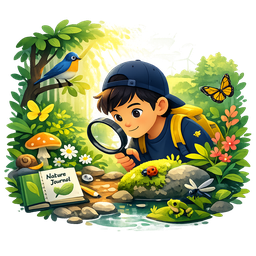
Naturalist Intelligence is the ability to observe, recognize, classify, and understand living organisms, natural environments, and patterns found in nature. Individuals with strong Nature Smart abilities often enjoy outdoor exploration, appreciate biodiversity, and develop scientific curiosity through observation and discovery.
Observation Skills
Notices details in plants, animals, weather, and natural surroundings.
Living Organisms
Understands and appreciates plants, animals, and ecosystems.
Pattern Recognition
Identifies similarities, differences, and natural patterns with ease.
Environmental Awareness
Values biodiversity, sustainability, and responsible interaction with nature.
Scientific Curiosity
Enjoys asking questions, exploring nature, and understanding how living systems work.
Conservation Mindset
Encourages environmental responsibility and sustainable thinking.
Every Great Discovery Begins with Curiosity
Naturalist Intelligence nurtures observation, scientific curiosity, environmental responsibility, and a lifelong appreciation for the natural world. Every meaningful journey begins with noticing what others often overlook.
Discover the Intelligence That Connects You with Nature
Naturalist Intelligence is the ability to observe, recognize, classify, and understand living organisms, natural environments, and patterns found in nature. Individuals with strong Nature Smart abilities often enjoy outdoor exploration, appreciate biodiversity, and develop scientific curiosity through observation and discovery.
Observation Skills
Notices details in plants, animals, weather, and natural surroundings.
Living Organisms
Understands and appreciates plants, animals, and ecosystems.
Pattern Recognition
Identifies similarities, differences, and natural patterns with ease.
Environmental Awareness
Values biodiversity, sustainability, and responsible interaction with nature.
Scientific Curiosity
Enjoys asking questions, exploring nature, and understanding how living systems work.
Conservation Mindset
Encourages environmental responsibility and sustainable thinking.
Every Great Discovery Begins with Curiosity
Naturalist Intelligence nurtures observation, scientific curiosity, environmental responsibility, and a lifelong appreciation for the natural world. Every meaningful journey begins with noticing what others often overlook.
Nature Smart Intelligence Shapes Tomorrow's World
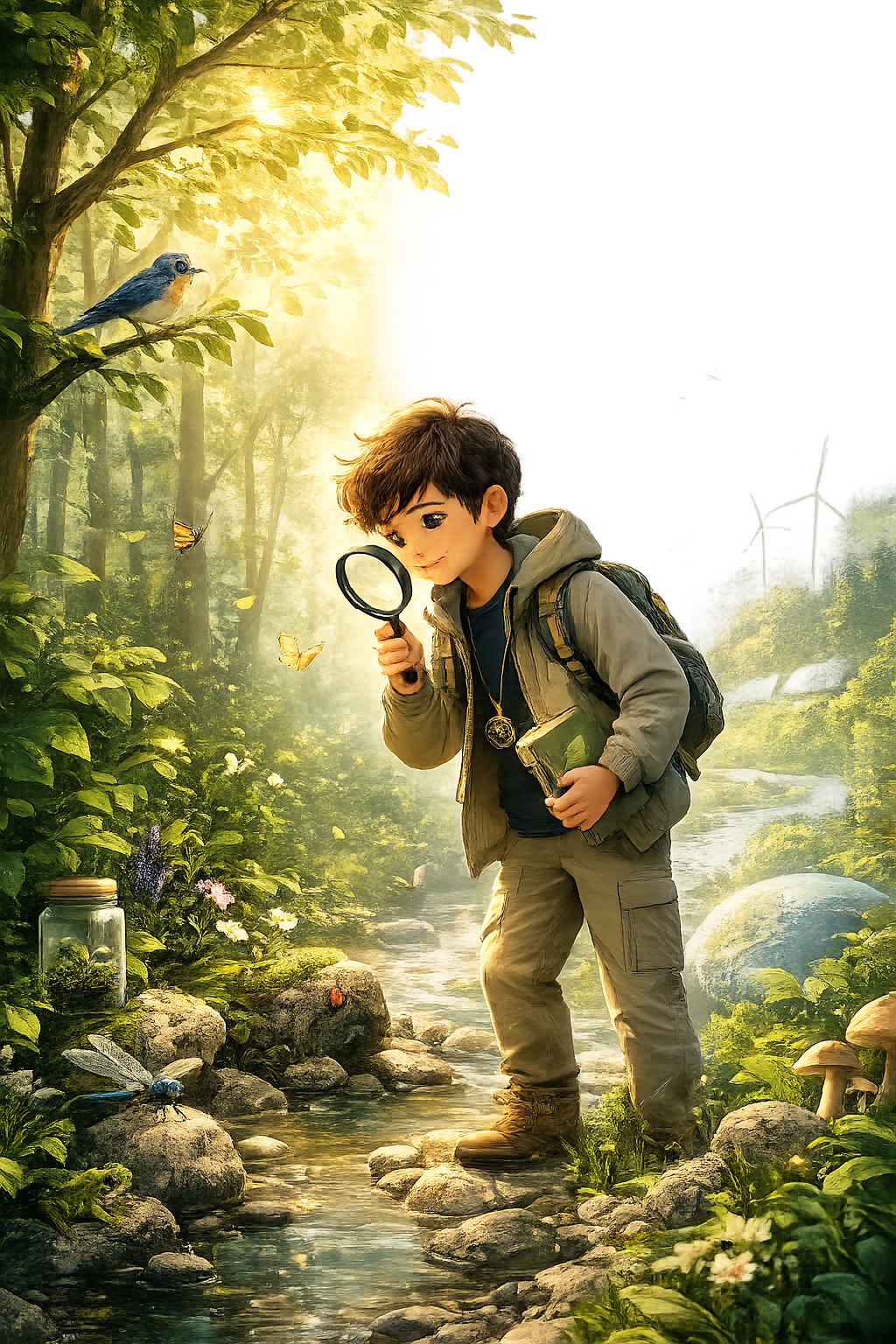
Today's world faces environmental challenges that require thoughtful observation, scientific curiosity, and responsible decision-making. Developing Naturalist Intelligence helps individuals appreciate biodiversity, understand ecosystems, promote sustainability, and contribute positively toward a healthier future.
Climate Awareness
Understand environmental changes and appreciate the importance of protecting our planet for future generations.
Biodiversity
Learn to recognize, value, and protect the incredible variety of plants, animals, and ecosystems around us.
Sustainability
Build habits that encourage responsible use of natural resources and long-term environmental well-being.
Scientific Thinking
Strengthen observation, inquiry, and evidence-based learning through exploration of the natural world.
Responsible Citizenship
Make informed decisions that support environmental responsibility and community well-being.
Future Innovation
Inspire ideas that contribute to sustainable technologies, research, and innovative environmental solutions.
Protecting Nature Begins with Understanding It
Every observation, every question, and every discovery helps build environmental awareness. Nature Smart Intelligence empowers learners to care for the world around them while developing skills that contribute to a more sustainable future.
12+
Assessment Dimensions25–40
Minutes Assessment100%
Personalised ReportEvery Observation Has the Power to Inspire Change
Curiosity about nature develops observation, scientific thinking, environmental responsibility, and lifelong learning. Today's exploration becomes tomorrow's innovation.
Nature Smart Intelligence Shapes Tomorrow's World
Today's world faces environmental challenges that require thoughtful observation, scientific curiosity, and responsible decision-making. Developing Naturalist Intelligence helps individuals appreciate biodiversity, understand ecosystems, promote sustainability, and contribute positively toward a healthier future.
Climate Awareness
Understand environmental changes and appreciate the importance of protecting our planet for future generations.
Biodiversity
Learn to recognize, value, and protect the incredible variety of plants, animals, and ecosystems around us.
Sustainability
Build habits that encourage responsible use of natural resources and long-term environmental well-being.
Scientific Thinking
Strengthen observation, inquiry, and evidence-based learning through exploration of the natural world.
Responsible Citizenship
Make informed decisions that support environmental responsibility and community well-being.
Future Innovation
Inspire ideas that contribute to sustainable technologies, research, and innovative environmental solutions.
Protecting Nature Begins with Understanding It
Every observation, every question, and every discovery helps build environmental awareness. Nature Smart Intelligence empowers learners to care for the world around them while developing skills that contribute to a more sustainable future.
12+
Assessment Dimensions25–40
Minutes Assessment100%
Personalised ReportEvery Observation Has the Power to Inspire Change
Curiosity about nature develops observation, scientific thinking, environmental responsibility, and lifelong learning. Today's exploration becomes tomorrow's innovation.
Designed for Every Curious Mind
Whether you're a student exploring future careers, a parent understanding your child's strengths, an educator nurturing young minds, or a professional seeking personal growth, the Naturalist Intelligence Assessment provides valuable insights for every stage of life.

Students
Discover natural strengths, learning preferences, and career interests related to environmental, biological, and scientific fields.

Parents
Understand your child's connection with nature and support meaningful experiences that encourage observation, curiosity, and responsible learning.

Teachers
Recognize individual learning styles and integrate nature-based experiences into classroom activities for deeper engagement.

College Students
Explore career pathways in environmental science, agriculture, ecology, sustainability, and related disciplines.

Professionals
Build environmental awareness, leadership, observation skills, and sustainable thinking within modern workplaces.

Schools & Organizations
Use assessment insights to design learning initiatives, environmental programs, and talent development strategies.
Every Stage of Life Can Benefit from Nature Smart Thinking
Naturalist Intelligence isn't limited by age or profession. It encourages observation, curiosity, environmental responsibility, and informed decision-making that can benefit learners, families, educators, and workplaces.
Designed for Every Curious Mind
Whether you're a student exploring future careers, a parent understanding your child's strengths, an educator nurturing young minds, or a professional seeking personal growth, the Naturalist Intelligence Assessment provides valuable insights for every stage of life.
Students
Discover natural strengths, learning preferences, and career interests related to environmental, biological, and scientific fields.
Parents
Understand your child's connection with nature and support meaningful experiences that encourage observation, curiosity, and responsible learning.
Teachers
Recognize individual learning styles and integrate nature-based experiences into classroom activities for deeper engagement.
College Students
Explore career pathways in environmental science, agriculture, ecology, sustainability, and related disciplines.
Professionals
Build environmental awareness, leadership, observation skills, and sustainable thinking within modern workplaces.
Schools & Organizations
Use assessment insights to design learning initiatives, environmental programs, and talent development strategies.
Every Stage of Life Can Benefit from Nature Smart Thinking
Naturalist Intelligence isn't limited by age or profession. It encourages observation, curiosity, environmental responsibility, and informed decision-making that can benefit learners, families, educators, and workplaces.
Discover Your Nature Smart Profile
Our assessment doesn't simply generate a score. It provides meaningful insights that help learners, parents, educators, and professionals better understand Naturalist Intelligence and identify opportunities for lifelong growth.
Naturalist Intelligence Report
Personal Assessment SummaryTop Strengths
Skill Profile
Continue outdoor exploration, nature journaling, biodiversity observation, and environmental projects.
Naturalist Intelligence Score
Understand your overall Nature Smart profile with easy-to-read assessment results.
Key Strengths
Identify the natural abilities that make you uniquely connected with the environment.
Growth Opportunities
Discover practical ways to strengthen observation, exploration, and environmental thinking.
Learning Recommendations
Receive activities and guidance that encourage curiosity and deeper engagement with nature.
Future Development
Explore how Nature Smart Intelligence supports personal, academic, and career growth.
Turn Insights into Action
Your report provides practical guidance that helps transform awareness into meaningful learning experiences and continuous personal development.
Get Your Personalised ReportDiscover Your Nature Smart Profile
Our assessment doesn't simply generate a score. It provides meaningful insights that help learners, parents, educators, and professionals better understand Naturalist Intelligence and identify opportunities for lifelong growth.
Naturalist Intelligence Report
Personal Assessment SummaryTop Strengths
Skill Profile
Continue outdoor exploration, nature journaling, biodiversity observation, and environmental projects.
Naturalist Intelligence Score
Understand your overall Nature Smart profile with easy-to-read assessment results.
Key Strengths
Identify the natural abilities that make you uniquely connected with the environment.
Growth Opportunities
Discover practical ways to strengthen observation, exploration, and environmental thinking.
Learning Recommendations
Receive activities and guidance that encourage curiosity and deeper engagement with nature.
Future Development
Explore how Nature Smart Intelligence supports personal, academic, and career growth.
Turn Insights into Action
Your report provides practical guidance that helps transform awareness into meaningful learning experiences and continuous personal development.
Get Your Personalised ReportYour Journey Starts Here
Complete your Naturalist Intelligence Assessment through a simple, engaging, and enjoyable four-step experience.
Register
Create your profile and begin your journey.
Explore Questions
Answer carefully designed Nature Smart questions.
View Results
Discover your Naturalist Intelligence profile.
Keep Growing
Get recommendations for continuous development.
Every Great Explorer Starts With One Step
Discover your Naturalist Intelligence, understand your strengths, and receive personalized recommendations for lifelong growth.
Start Your AssessmentYour Journey Starts Here
Complete your Naturalist Intelligence Assessment through a simple, engaging, and enjoyable four-step experience.
Register
Create your profile and begin your journey.
Explore Questions
Answer carefully designed Nature Smart questions.
View Results
Discover your Naturalist Intelligence profile.
Keep Growing
Get recommendations for continuous development.
Every Great Explorer Starts With One Step
Discover your Naturalist Intelligence, understand your strengths, and receive personalized recommendations for lifelong growth.
Start Your AssessmentBenefits of Developing Naturalist Intelligence
Developing Nature Smart capabilities can contribute to several areas of personal, educational and professional development.
Observation Skills
Individuals learn to observe details systematically rather than simply looking at their surroundings.
Classification Skills
Learners can develop the ability to group, compare and distinguish objects and phenomena according to meaningful characteristics.
Pattern Recognition
Natural environments provide complex patterns. Learning to recognise them can strengthen analytical observation.
Environmental Awareness
Naturalist development can encourage greater understanding of ecosystems, resources and environmental relationships.
Scientific Thinking
Activities involving observation, classification, hypothesis formation and evidence-based conclusions can support scientific learning.
Problem-Solving
Nature presents complex systems and changing conditions. Understanding these systems can support practical problem-solving.
Curiosity and Exploration
Nature-based learning can encourage questioning, investigation and independent discovery.
Interdisciplinary Learning
Naturalist Intelligence can connect with a wide range of academic and professional fields.
Connected Disciplines
Benefits of Developing Naturalist Intelligence
Developing Nature Smart capabilities can contribute to several areas of personal, educational and professional development.
Observation Skills
Individuals learn to observe details systematically rather than simply looking at their surroundings.
Classification Skills
Learners can develop the ability to group, compare and distinguish objects and phenomena according to meaningful characteristics.
Pattern Recognition
Natural environments provide complex patterns. Learning to recognise them can strengthen analytical observation.
Environmental Awareness
Naturalist development can encourage greater understanding of ecosystems, resources and environmental relationships.
Scientific Thinking
Activities involving observation, classification, hypothesis formation and evidence-based conclusions can support scientific learning.
Problem-Solving
Nature presents complex systems and changing conditions. Understanding these systems can support practical problem-solving.
Curiosity and Exploration
Nature-based learning can encourage questioning, investigation and independent discovery.
Interdisciplinary Learning
Naturalist Intelligence can connect with a wide range of academic and professional fields.
Connected Disciplines
Experience the BrainSeeds Difference
Discover what makes our Naturalist Intelligence Assessment a meaningful and engaging experience for learners, educators, and lifelong explorers.
Naturalist Intelligence Report
Personalized Summary
Strong Observation
Nature Curiosity
Growth Path
Personalized Insights
Receive an individual Naturalist Intelligence profile based on your responses.
Nature-Centered Assessment
Questions encourage observation and interaction with the natural world.
Clear Visual Reports
Easy-to-read summaries help you understand your strengths.
Practical Recommendations
Suggestions help support future learning and development.
Track Your Growth
Use your report as a starting point for continuous improvement.
Designed for Learners
Suitable for students, educators, and lifelong learners.
Ready to Discover Your Nature Smart Profile?
Start Assessment →Experience the BrainSeeds Difference
Discover what makes our Naturalist Intelligence Assessment a meaningful and engaging experience for learners, educators, and lifelong explorers.
Naturalist Intelligence Report
Personalized Summary
Strong Observation
Nature Curiosity
Growth Path
Personalized Insights
Receive an individual Naturalist Intelligence profile based on your responses.
Nature-Centered Assessment
Questions encourage observation and interaction with the natural world.
Clear Visual Reports
Easy-to-read summaries help you understand your strengths.
Practical Recommendations
Suggestions help support future learning and development.
Track Your Growth
Use your report as a starting point for continuous improvement.
Designed for Learners
Suitable for students, educators, and lifelong learners.
Ready to Discover Your Nature Smart Profile?
Start Assessment →Naturalist Intelligence: Myths vs Facts
Naturalist Intelligence: Myths vs Facts
Naturalist Intelligence Success Stories
At BrainSeeds, success should not be defined merely by obtaining a high assessment percentage. True success means better self-understanding followed by appropriate development and application.
The Observant Student
A student consistently performed at an average level in conventional classroom activities but demonstrated exceptional curiosity about insects, plants and local ecosystems. Through structured assessment and observation-based activities, the student began exploring biology and environmental science more seriously.
The Agriculture-Oriented Learner
A learner demonstrated strong pattern-recognition abilities relating to plants, soil conditions and environmental changes. Instead of treating this interest as merely a hobby, educators introduced structured agricultural projects and environmental investigations, and the learner developed stronger interest in agricultural technology and sustainability.
The Working Professional
An experienced professional discovered through broader talent profiling that their strengths included environmental observation, classification and practical problem-solving — encouraging exploration of opportunities involving sustainability, environmental compliance and resource management.
Important: these are anonymized illustrative examples intended to demonstrate possible development pathways rather than claims of guaranteed outcomes.
Naturalist Intelligence Success Stories
At BrainSeeds, success should not be defined merely by obtaining a high assessment percentage. True success means better self-understanding followed by appropriate development and application.
The Observant Student
A student consistently performed at an average level in conventional classroom activities but demonstrated exceptional curiosity about insects, plants and local ecosystems. Through structured assessment and observation-based activities, the student began exploring biology and environmental science more seriously.
The Agriculture-Oriented Learner
A learner demonstrated strong pattern-recognition abilities relating to plants, soil conditions and environmental changes. Instead of treating this interest as merely a hobby, educators introduced structured agricultural projects and environmental investigations, and the learner developed stronger interest in agricultural technology and sustainability.
The Working Professional
An experienced professional discovered through broader talent profiling that their strengths included environmental observation, classification and practical problem-solving — encouraging exploration of opportunities involving sustainability, environmental compliance and resource management.
Important: these are anonymized illustrative examples intended to demonstrate possible development pathways rather than claims of guaranteed outcomes.
Career Opportunities Related to Naturalist Intelligence
Naturalist Intelligence does not prescribe a single career. It may be relevant to a range of occupations where observation, classification, environmental understanding and pattern recognition are valuable.
Science & Research
Agriculture & Food Systems
Animal-Related Fields
Environmental & Sustainability
Design & Built Environment
Education
Entrepreneurship
Career decisions should always consider the complete talent profile, academic interests, qualifications, personality, values, opportunities and practical circumstances — not one intelligence score alone.
Career Opportunities Related to Naturalist Intelligence
Naturalist Intelligence does not prescribe a single career. It may be relevant to a range of occupations where observation, classification, environmental understanding and pattern recognition are valuable.
Science & Research
Agriculture & Food Systems
Animal-Related Fields
Environmental & Sustainability
Design & Built Environment
Education
Entrepreneurship
Career decisions should always consider the complete talent profile, academic interests, qualifications, personality, values, opportunities and practical circumstances — not one intelligence score alone.
Parent Guide: Supporting Naturalist Intelligence
Parents play an important role in creating opportunities for children to discover their abilities. Instead of immediately asking "What career do you want?" — parents can begin by asking "What kinds of problems, environments and activities naturally capture your attention?"
Parents Can Encourage Children To:
What Parents Should Avoid
Parents should avoid forcing a child into a particular career simply because the child demonstrates Nature Smart characteristics. Assessment should be used as one source of evidence within a broader talent-development process.
Parent Guide: Supporting Naturalist Intelligence
Parents play an important role in creating opportunities for children to discover their abilities. Instead of immediately asking "What career do you want?" — parents can begin by asking "What kinds of problems, environments and activities naturally capture your attention?"
Parents Can Encourage Children To:
What Parents Should Avoid
Parents should avoid forcing a child into a particular career simply because the child demonstrates Nature Smart characteristics. Assessment should be used as one source of evidence within a broader talent-development process.
Teacher Guide: Developing Nature Smart Learners
Teachers can integrate Naturalist Intelligence into classroom instruction without creating a separate subject.
Classroom Strategies
Suggested Projects
Observation Checklist
Teachers may observe whether a learner:
- Notices environmental details
- Identifies differences between natural objects
- Enjoys classification
- Asks questions about living systems
- Remembers characteristics of plants or animals
- Detects changes in environmental conditions
- Connects different natural phenomena
- Demonstrates curiosity about ecosystems
- Learns effectively through direct observation
Teacher Guide: Developing Nature Smart Learners
Teachers can integrate Naturalist Intelligence into classroom instruction without creating a separate subject.
Classroom Strategies
Suggested Projects
Observation Checklist
Teachers may observe whether a learner:
- Notices environmental details
- Identifies differences between natural objects
- Enjoys classification
- Asks questions about living systems
- Remembers characteristics of plants or animals
- Detects changes in environmental conditions
- Connects different natural phenomena
- Demonstrates curiosity about ecosystems
- Learns effectively through direct observation
BrainSeeds Naturalist Intelligence Training Programmes
Assessment is only the beginning. When an assessment indicates an opportunity for improvement, BrainSeeds can provide structured learning, training, coaching and mentoring.
Observation Skills
Develop systematic observation and attention to environmental details.
Classification & Categorisation
Learn to identify meaningful similarities and differences.
Nature-Based Pattern Recognition
Explore patterns across plants, animals, weather and ecosystems.
Environmental Awareness
Understand environmental relationships and sustainability.
Scientific Investigation
Develop observation, questioning, hypothesis formation and evidence-based reasoning.
Field-Based Learning
Apply learning through practical activities.
Nature & Problem-Solving
Use natural systems to develop practical problem-solving abilities.
Career Exploration
Connect demonstrated capabilities with possible academic and professional pathways.
Flexible Training Schedule
BrainSeeds Naturalist Intelligence Training Programmes
Assessment is only the beginning. When an assessment indicates an opportunity for improvement, BrainSeeds can provide structured learning, training, coaching and mentoring.
Observation Skills
Develop systematic observation and attention to environmental details.
Classification & Categorisation
Learn to identify meaningful similarities and differences.
Nature-Based Pattern Recognition
Explore patterns across plants, animals, weather and ecosystems.
Environmental Awareness
Understand environmental relationships and sustainability.
Scientific Investigation
Develop observation, questioning, hypothesis formation and evidence-based reasoning.
Field-Based Learning
Apply learning through practical activities.
Nature & Problem-Solving
Use natural systems to develop practical problem-solving abilities.
Career Exploration
Connect demonstrated capabilities with possible academic and professional pathways.
Flexible Training Schedule
Scientific Foundation
Origins in Gardner's Theory
Naturalist Intelligence originates from Howard Gardner's Theory of Multiple Intelligences. Gardner initially proposed seven intelligences and subsequently added naturalist intelligence. His current writings continue to describe naturalist intelligence as a distinct candidate within the Multiple Intelligences framework.
A particularly important distinction is that Naturalist Intelligence is not simply a synonym for environmental interest or outdoor preference. Gardner has explained that intelligence concerns the capacity to solve problems or create products valued within a cultural context, while also distinguishing intelligence from preferences and interests.
A Scientific Approach to Assessment
A responsible talent-identification system should avoid treating a questionnaire score as an absolute diagnosis. Gardner himself notes that he has not developed an MI test that he personally endorses, and recommends considering multiple sources of evidence — including performance measures and observations — rather than relying exclusively on self-report.
Therefore, BrainSeeds positions its assessment as a talent-identification and developmental profiling tool, rather than as a clinical diagnosis or an absolute predictor of career success. This distinction strengthens the scientific credibility of the platform.
Scientific Foundation
Origins in Gardner's Theory
Naturalist Intelligence originates from Howard Gardner's Theory of Multiple Intelligences. Gardner initially proposed seven intelligences and subsequently added naturalist intelligence. His current writings continue to describe naturalist intelligence as a distinct candidate within the Multiple Intelligences framework.
A particularly important distinction is that Naturalist Intelligence is not simply a synonym for environmental interest or outdoor preference. Gardner has explained that intelligence concerns the capacity to solve problems or create products valued within a cultural context, while also distinguishing intelligence from preferences and interests.
A Scientific Approach to Assessment
A responsible talent-identification system should avoid treating a questionnaire score as an absolute diagnosis. Gardner himself notes that he has not developed an MI test that he personally endorses, and recommends considering multiple sources of evidence — including performance measures and observations — rather than relying exclusively on self-report.
Therefore, BrainSeeds positions its assessment as a talent-identification and developmental profiling tool, rather than as a clinical diagnosis or an absolute predictor of career success. This distinction strengthens the scientific credibility of the platform.
Naturalist Intelligence Case Studies
Case A — School Student
Case B — College Student
Case C — Professional
Naturalist Intelligence Case Studies
Case A — School Student
Case B — College Student
Case C — Professional
Naturalist Intelligence Assessment Process
Our assessment process is designed to provide a structured view of the individual's Nature Smart characteristics.
Participant Registration
The individual or organisation provides the required basic information.
Assessment Administration
The participant completes the assessment through the designated platform.
Response Analysis
The Psychology Management Software analyses response patterns according to the framework.
Intelligence Profiling
The results contribute to an overall intelligence profile.
Comparative Interpretation
Naturalist Intelligence is examined in relation to the individual's broader profile.
Development Identification
Areas showing comparatively lower development or potential for strengthening are identified.
Personalised Recommendation
Where appropriate, learning, training, coaching and mentoring interventions are recommended.
Development Tracking
Progress can be reviewed through appropriate reassessment and performance evidence.
Naturalist Intelligence Assessment Process
Our assessment process is designed to provide a structured view of the individual's Nature Smart characteristics.
Participant Registration
The individual or organisation provides the required basic information.
Assessment Administration
The participant completes the assessment through the designated platform.
Response Analysis
The Psychology Management Software analyses response patterns according to the framework.
Intelligence Profiling
The results contribute to an overall intelligence profile.
Comparative Interpretation
Naturalist Intelligence is examined in relation to the individual's broader profile.
Development Identification
Areas showing comparatively lower development or potential for strengthening are identified.
Personalised Recommendation
Where appropriate, learning, training, coaching and mentoring interventions are recommended.
Development Tracking
Progress can be reviewed through appropriate reassessment and performance evidence.
Understanding Your Naturalist Intelligence Report
A report should not be interpreted simply as "High = Good, Low = Bad." That interpretation would be inappropriate. Instead, the report should be viewed as a developmental profile.
Relative Strength
The individual's responses indicate comparatively strong Nature Smart characteristics.
Developing Area
The individual demonstrates some characteristics but may benefit from additional exposure and practice.
Potential Development Area
The assessment suggests an opportunity to strengthen relevant capabilities.
Profile Context
The result should be interpreted alongside other intelligence dimensions.
Why Percentage Alone Is Not Enough
A percentage represents assessment performance within a scoring framework. It does not mean:
- The individual is permanently "naturalistic"
- The person must choose an environmental career
- Other intelligences are unimportant
- The individual cannot develop
- Career success is guaranteed
The value of an assessment lies in interpretation and appropriate action — not merely in the number.
Understanding Your Naturalist Intelligence Report
A report should not be interpreted simply as "High = Good, Low = Bad." That interpretation would be inappropriate. Instead, the report should be viewed as a developmental profile.
Relative Strength
The individual's responses indicate comparatively strong Nature Smart characteristics.
Developing Area
The individual demonstrates some characteristics but may benefit from additional exposure and practice.
Potential Development Area
The assessment suggests an opportunity to strengthen relevant capabilities.
Profile Context
The result should be interpreted alongside other intelligence dimensions.
Why Percentage Alone Is Not Enough
A percentage represents assessment performance within a scoring framework. It does not mean:
- The individual is permanently "naturalistic"
- The person must choose an environmental career
- Other intelligences are unimportant
- The individual cannot develop
- Career success is guaranteed
The value of an assessment lies in interpretation and appropriate action — not merely in the number.
Age-Wise Naturalist Intelligence Development Guide
Ages 3–6: Exploration Build curiosity and observation
Ages 7–10: Classification Develop categorisation and pattern recognition
Ages 11–14: Investigation Develop structured investigation
Ages 15–18: Application Connect capability with academic pathways
College Students Connect talent with professional opportunities
Adults & Professionals Apply existing strengths to meaningful professional contexts
Age-Wise Naturalist Intelligence Development Guide
Ages 3–6: Exploration Build curiosity and observation
Ages 7–10: Classification Develop categorisation and pattern recognition
Ages 11–14: Investigation Develop structured investigation
Ages 15–18: Application Connect capability with academic pathways
College Students Connect talent with professional opportunities
Adults & Professionals Apply existing strengths to meaningful professional contexts
Industry Applications
Naturalist Intelligence can have practical relevance across numerous industries.
Agriculture
Environmental Services
Healthcare & Life Sciences
Engineering
Architecture & Construction
Education
Tourism & Hospitality
Corporate Organisations
Industry Applications
Naturalist Intelligence can have practical relevance across numerous industries.
Agriculture
Environmental Services
Healthcare & Life Sciences
Engineering
Architecture & Construction
Education
Tourism & Hospitality
Corporate Organisations
Naturalist Intelligence Testimonials
The assessment helped us look beyond marks and understand some of the areas that naturally attracted our child. It gave us a better starting point for discussing development.
Parent PerspectiveI had never considered that the things I naturally observed and enjoyed could be connected to potential areas of study. The assessment helped me think differently about my strengths.
Student PerspectiveThe profiling process encouraged me to examine my capabilities from a broader perspective rather than judging myself only by my current job performance.
Professional PerspectiveNote: testimonials published on the website should represent genuine participant experiences. Where illustrative examples are used during development, they are clearly identified as illustrative rather than verified customer testimonials.
Naturalist Intelligence Testimonials
The assessment helped us look beyond marks and understand some of the areas that naturally attracted our child. It gave us a better starting point for discussing development.
Parent PerspectiveI had never considered that the things I naturally observed and enjoyed could be connected to potential areas of study. The assessment helped me think differently about my strengths.
Student PerspectiveThe profiling process encouraged me to examine my capabilities from a broader perspective rather than judging myself only by my current job performance.
Professional PerspectiveNote: testimonials published on the website should represent genuine participant experiences. Where illustrative examples are used during development, they are clearly identified as illustrative rather than verified customer testimonials.
Naturalist Intelligence vs Other Assessments
Naturalist Intelligence assessment should not be confused with conventional academic examinations or a general IQ test.
BrainSeeds' Broader Approach
BrainSeeds goes beyond examining one dimension. Our Psychology Management Software is designed to support analysis across 40+ assessment areas, allowing Naturalist Intelligence to be considered as part of a broader individual profile — because a person's future should not be determined by a single score.
Naturalist Intelligence vs Other Assessments
Naturalist Intelligence assessment should not be confused with conventional academic examinations or a general IQ test.
BrainSeeds' Broader Approach
BrainSeeds goes beyond examining one dimension. Our Psychology Management Software is designed to support analysis across 40+ assessment areas, allowing Naturalist Intelligence to be considered as part of a broader individual profile — because a person's future should not be determined by a single score.
Why Choose BrainSeeds for Naturalist Intelligence Assessment?
Scientifically Structured Approach
Structured assessment and systematic interpretation rather than informal observation alone.
40+ Assessment Areas
Naturalist Intelligence considered alongside a broader range of assessments for a comprehensive profile.
Psychology Management Software
Our specialised platform supports structured questionnaires, response analysis and reporting.
Personalised Development
Assessment doesn't have to be the end — Teaching → Training → Coaching → Mentoring → Reassessment.
Flexible Programmes
Structured according to individual, institutional or organisational requirements.
Global Orientation
Serving individuals and organisations across geographical boundaries through adaptable programmes.
Multiple Audiences We Support
Why Choose BrainSeeds for Naturalist Intelligence Assessment?
Scientifically Structured Approach
Structured assessment and systematic interpretation rather than informal observation alone.
40+ Assessment Areas
Naturalist Intelligence considered alongside a broader range of assessments for a comprehensive profile.
Psychology Management Software
Our specialised platform supports structured questionnaires, response analysis and reporting.
Personalised Development
Assessment doesn't have to be the end — Teaching → Training → Coaching → Mentoring → Reassessment.
Flexible Programmes
Structured according to individual, institutional or organisational requirements.
Global Orientation
Serving individuals and organisations across geographical boundaries through adaptable programmes.
Multiple Audiences We Support
From Assessment to Personalised Development
Identify
Understand the individual's potential through structured assessments.
Analyse
Examine response patterns and the broader intelligence profile.
Interpret
Understand relative strengths and areas that may benefit from development.
Personalise
Design an appropriate learning and development pathway.
Train
Develop relevant skills through structured activities.
Coach
Provide guidance, feedback and practical application.
Mentor
Support longer-term academic, professional and personal development.
Reassess
Review development and adjust the pathway where appropriate.
From Assessment to Personalised Development
Identify
Understand the individual's potential through structured assessments.
Analyse
Examine response patterns and the broader intelligence profile.
Interpret
Understand relative strengths and areas that may benefit from development.
Personalise
Design an appropriate learning and development pathway.
Train
Develop relevant skills through structured activities.
Coach
Provide guidance, feedback and practical application.
Mentor
Support longer-term academic, professional and personal development.
Reassess
Review development and adjust the pathway where appropriate.
Naturalist Intelligence and Career Decisions
Choosing a career before understanding one's capabilities can create unnecessary difficulty. Students may select courses because:
Naturalist Intelligence can be one important component of that process. However, no intelligence assessment should independently determine a person's career — career decisions should integrate:
Naturalist Intelligence and Career Decisions
Choosing a career before understanding one's capabilities can create unnecessary difficulty. Students may select courses because:
Naturalist Intelligence can be one important component of that process. However, no intelligence assessment should independently determine a person's career — career decisions should integrate:
Who Should Take the Naturalist Intelligence Assessment?
Students
Students who want to understand their strengths beyond conventional academic performance.
Parents
Parents seeking a broader understanding of their children's potential.
Teachers
Educators interested in differentiated and personalised learning.
College Students
Students exploring higher education and career possibilities.
Job Seekers
Individuals evaluating possible career directions.
Professionals
Professionals seeking greater alignment between capabilities and work.
Entrepreneurs
Entrepreneurs exploring areas where natural capabilities may support business opportunities.
Organisations
Organisations interested in talent development and personalised employee development.
Who Should Take the Naturalist Intelligence Assessment?
Students
Students who want to understand their strengths beyond conventional academic performance.
Parents
Parents seeking a broader understanding of their children's potential.
Teachers
Educators interested in differentiated and personalised learning.
College Students
Students exploring higher education and career possibilities.
Job Seekers
Individuals evaluating possible career directions.
Professionals
Professionals seeking greater alignment between capabilities and work.
Entrepreneurs
Entrepreneurs exploring areas where natural capabilities may support business opportunities.
Organisations
Organisations interested in talent development and personalised employee development.
Frequently Asked Questions
What is Naturalist Intelligence?
A concept within Gardner's Multiple Intelligences framework concerning the capacity to recognise and distinguish meaningful patterns and categories in the natural world.
Is it the same as being good at biology?
No. Biology knowledge is learned knowledge. Naturalist Intelligence concerns broader capabilities involving observation, distinction, classification and natural patterns.
Is it only useful for children?
No. Naturalist capabilities can be relevant throughout life.
Can adults improve Naturalist Intelligence?
Relevant capabilities can be developed through practice, education and appropriate opportunities.
Does a high score mean I should become a biologist?
No. The result should be interpreted as one part of a broader profile.
Can a person have more than one strong intelligence?
Yes. Multiple-intelligence theory proposes that individuals may demonstrate different combinations of strengths.
Is Naturalist Intelligence useful outside nature-related professions?
Yes. Pattern recognition, observation, classification and systems thinking can be relevant in many contexts.
Is this a clinical psychological diagnosis?
No. A talent or intelligence profile should not be represented as a clinical diagnosis.
Is Naturalist Intelligence included in IQ tests?
Conventional IQ assessments generally do not specifically measure Naturalist Intelligence as defined in Gardner's framework.
What happens after the assessment?
The result can be interpreted as part of the individual's broader profile, followed where appropriate by personalised training, coaching and mentoring.
Frequently Asked Questions
What is Naturalist Intelligence?
A concept within Gardner's Multiple Intelligences framework concerning the capacity to recognise and distinguish meaningful patterns and categories in the natural world.
Is it the same as being good at biology?
No. Biology knowledge is learned knowledge. Naturalist Intelligence concerns broader capabilities involving observation, distinction, classification and natural patterns.
Is it only useful for children?
No. Naturalist capabilities can be relevant throughout life.
Can adults improve Naturalist Intelligence?
Relevant capabilities can be developed through practice, education and appropriate opportunities.
Does a high score mean I should become a biologist?
No. The result should be interpreted as one part of a broader profile.
Can a person have more than one strong intelligence?
Yes. Multiple-intelligence theory proposes that individuals may demonstrate different combinations of strengths.
Is Naturalist Intelligence useful outside nature-related professions?
Yes. Pattern recognition, observation, classification and systems thinking can be relevant in many contexts.
Is this a clinical psychological diagnosis?
No. A talent or intelligence profile should not be represented as a clinical diagnosis.
Is Naturalist Intelligence included in IQ tests?
Conventional IQ assessments generally do not specifically measure Naturalist Intelligence as defined in Gardner's framework.
What happens after the assessment?
The result can be interpreted as part of the individual's broader profile, followed where appropriate by personalised training, coaching and mentoring.
Your Nature Smart Potential Is Worth Exploring
Every individual learns differently. Every individual notices different things. Every individual solves different types of problems — and every individual may possess capabilities that conventional academic measurement does not fully reveal.
A student who notices the world around them differently may be demonstrating a meaningful cognitive strength. A professional who naturally understands environmental systems may have capabilities that are underutilised in their current role. An entrepreneur may possess an ability to identify patterns in natural resources, agriculture or sustainable systems that could become commercially valuable.
The first step is to understand yourself.
Discover your Nature Smart potential and understand how Naturalist Intelligence fits within your broader talent profile.
Your Nature Smart Potential Is Worth Exploring
Every individual learns differently. Every individual notices different things. Every individual solves different types of problems — and every individual may possess capabilities that conventional academic measurement does not fully reveal.
A student who notices the world around them differently may be demonstrating a meaningful cognitive strength. A professional who naturally understands environmental systems may have capabilities that are underutilised in their current role. An entrepreneur may possess an ability to identify patterns in natural resources, agriculture or sustainable systems that could become commercially valuable.
The first step is to understand yourself.
Discover your Nature Smart potential and understand how Naturalist Intelligence fits within your broader talent profile.
Overview of Naturalist Intelligence
Understanding how we observe, explore, and connect with nature.
Naturalist Intelligence refers to the capacity to recognise, distinguish, classify and understand patterns, relationships and characteristics in the natural world. It can include sensitivity to plants, animals, ecosystems, environmental conditions and other naturally occurring patterns.
Howard Gardner later added naturalist intelligence to his Multiple Intelligences framework.
"Nature Smart" is a simple way of communicating Naturalist Intelligence. It describes people who may demonstrate comparatively strong abilities in observing, distinguishing, categorising and understanding aspects of the natural environment.
No.
Someone may love nature without necessarily demonstrating strong naturalist cognitive abilities. Conversely, someone may have strong Nature Smart capabilities without spending a great deal of time outdoors.
The distinction is between interest or preference and demonstrated cognitive capability.
Examples can include:
- Identifying plants
- Recognising animals
- Distinguishing species
- Classifying natural objects
- Detecting environmental changes
- Understanding ecosystems
- Recognising biological patterns
- Observing weather patterns
- Understanding relationships between organisms and environments
No.
Naturalist capabilities can potentially be relevant to agriculture, environmental services, veterinary science, education, landscape design, sustainability, food systems, tourism, research and many other fields.
Yes.
Gardner's framework proposes a profile involving multiple intelligences rather than assuming that one person has only one type of intelligence. Gardner describes individuals as having different combinations or "spectrums" of intellectual strengths.
Natural abilities can have biological and developmental influences, but they are also shaped by education, experience, environment and practice.
Therefore, BrainSeeds uses the concept of potential and development rather than assuming that an assessment result represents an unchangeable genetic trait.
Yes, relevant capabilities can be strengthened through structured learning, observation, practice, projects, environmental exposure and appropriate mentoring.
Gardner has also discussed the importance of opportunities and practice in developing intelligences.
No.
An assessment result should support exploration and self-understanding, not dictate a career.
Career decisions should consider the individual's complete profile, including interests, aptitudes, qualifications, personality, values, academic performance and opportunities.
Assessment may help individuals understand whether Nature Smart characteristics appear relatively prominent within their broader profile and identify areas that may be worth developing further.
Overview of Naturalist Intelligence
Understanding how we observe, explore, and connect with nature.
Naturalist Intelligence refers to the capacity to recognise, distinguish, classify and understand patterns, relationships and characteristics in the natural world. It can include sensitivity to plants, animals, ecosystems, environmental conditions and other naturally occurring patterns.
Howard Gardner later added naturalist intelligence to his Multiple Intelligences framework.
"Nature Smart" is a simple way of communicating Naturalist Intelligence. It describes people who may demonstrate comparatively strong abilities in observing, distinguishing, categorising and understanding aspects of the natural environment.
No.
Someone may love nature without necessarily demonstrating strong naturalist cognitive abilities. Conversely, someone may have strong Nature Smart capabilities without spending a great deal of time outdoors.
The distinction is between interest or preference and demonstrated cognitive capability.
Examples can include:
- Identifying plants
- Recognising animals
- Distinguishing species
- Classifying natural objects
- Detecting environmental changes
- Understanding ecosystems
- Recognising biological patterns
- Observing weather patterns
- Understanding relationships between organisms and environments
No.
Naturalist capabilities can potentially be relevant to agriculture, environmental services, veterinary science, education, landscape design, sustainability, food systems, tourism, research and many other fields.
Yes.
Gardner's framework proposes a profile involving multiple intelligences rather than assuming that one person has only one type of intelligence. Gardner describes individuals as having different combinations or "spectrums" of intellectual strengths.
Natural abilities can have biological and developmental influences, but they are also shaped by education, experience, environment and practice.
Therefore, BrainSeeds uses the concept of potential and development rather than assuming that an assessment result represents an unchangeable genetic trait.
Yes, relevant capabilities can be strengthened through structured learning, observation, practice, projects, environmental exposure and appropriate mentoring.
Gardner has also discussed the importance of opportunities and practice in developing intelligences.
No.
An assessment result should support exploration and self-understanding, not dictate a career.
Career decisions should consider the individual's complete profile, including interests, aptitudes, qualifications, personality, values, academic performance and opportunities.
Assessment may help individuals understand whether Nature Smart characteristics appear relatively prominent within their broader profile and identify areas that may be worth developing further.
Benefits
Discovering how Naturalist Intelligence supports learning, curiosity, and personal growth.
Understanding Naturalist Intelligence can help an individual recognise strengths associated with observation, classification, environmental awareness and natural-pattern recognition.
It may help students recognise strengths that are not always obvious through conventional academic performance.
This can support more informed subject exploration, project selection and career discussions.
Nature-based activities can provide excellent opportunities to practise systematic observation, comparison and classification.
Yes.
Observation, classification, questioning, evidence gathering and pattern recognition are useful components of scientific investigation.
Nature provides complex systems that can be studied to understand relationships, constraints and patterns. Structured activities can therefore provide opportunities to develop problem-solving skills.
Yes.
Nature-based learning can encourage individuals to understand ecosystems, resources, biodiversity and environmental relationships.
Well-designed nature activities can encourage questioning, exploration and independent discovery.
Yes.
Naturalist activities can connect science, mathematics, geography, language, technology, art and social studies.
No.
Relevant capabilities can also be applied in professional, entrepreneurial, environmental and organisational contexts.
Yes.
Observation, curiosity, systematic thinking and environmental awareness can become useful lifelong capabilities.
Benefits
Discovering how Naturalist Intelligence supports learning, curiosity, and personal growth.
Understanding Naturalist Intelligence can help an individual recognise strengths associated with observation, classification, environmental awareness and natural-pattern recognition.
It may help students recognise strengths that are not always obvious through conventional academic performance.
This can support more informed subject exploration, project selection and career discussions.
Nature-based activities can provide excellent opportunities to practise systematic observation, comparison and classification.
Yes.
Observation, classification, questioning, evidence gathering and pattern recognition are useful components of scientific investigation.
Nature provides complex systems that can be studied to understand relationships, constraints and patterns. Structured activities can therefore provide opportunities to develop problem-solving skills.
Yes.
Nature-based learning can encourage individuals to understand ecosystems, resources, biodiversity and environmental relationships.
Well-designed nature activities can encourage questioning, exploration and independent discovery.
Yes.
Naturalist activities can connect science, mathematics, geography, language, technology, art and social studies.
No.
Relevant capabilities can also be applied in professional, entrepreneurial, environmental and organisational contexts.
Yes.
Observation, curiosity, systematic thinking and environmental awareness can become useful lifelong capabilities.
Myths vs Facts
Separating common misconceptions from the facts about Naturalist Intelligence.
No.
Interest in animals may be one indicator, but Naturalist Intelligence is broader and involves distinguishing and understanding meaningful patterns in nature.
No.
Environmental consciousness concerns awareness and attitudes toward environmental issues. Naturalist Intelligence concerns capabilities related to recognising and understanding natural patterns.
No.
Naturalist capabilities can develop in urban, rural and other environments.
Not necessarily.
Gardening preference is only one activity. Assessment should consider broader patterns of capability.
No.
Academic performance measures particular forms of learning and achievement. It does not automatically establish a particular Naturalist Intelligence profile.
Not necessarily.
Academic performance can be affected by teaching methods, motivation, prior knowledge, learning opportunities and many other factors.
It should not be treated as a permanent label.
Capabilities can develop through education, experience and practice.
No.
Gardner himself does not endorse a single official Multiple Intelligences test and recommends triangulating information from multiple sources.
No.
Career success depends on many interacting factors.
Absolutely not.
A lower relative score in one area does not mean that the individual lacks intelligence. It may simply indicate that another area is comparatively stronger or that the capability has had fewer opportunities for development.
Myths vs Facts
Separating common misconceptions from the facts about Naturalist Intelligence.
No.
Interest in animals may be one indicator, but Naturalist Intelligence is broader and involves distinguishing and understanding meaningful patterns in nature.
No.
Environmental consciousness concerns awareness and attitudes toward environmental issues. Naturalist Intelligence concerns capabilities related to recognising and understanding natural patterns.
No.
Naturalist capabilities can develop in urban, rural and other environments.
Not necessarily.
Gardening preference is only one activity. Assessment should consider broader patterns of capability.
No.
Academic performance measures particular forms of learning and achievement. It does not automatically establish a particular Naturalist Intelligence profile.
Not necessarily.
Academic performance can be affected by teaching methods, motivation, prior knowledge, learning opportunities and many other factors.
It should not be treated as a permanent label.
Capabilities can develop through education, experience and practice.
No.
Gardner himself does not endorse a single official Multiple Intelligences test and recommends triangulating information from multiple sources.
No.
Career success depends on many interacting factors.
Absolutely not.
A lower relative score in one area does not mean that the individual lacks intelligence. It may simply indicate that another area is comparatively stronger or that the capability has had fewer opportunities for development.
Success Stories
Discovering how Naturalist Intelligence can reveal strengths and new possibilities.
It can provide one source of information that may help reveal characteristics that students or parents had previously overlooked.
Assessment can provide new information that may influence career exploration, but it should not automatically determine the student's final decision.
Yes.
Conventional academic performance does not necessarily represent every form of cognitive capability.
Yes.
A broader talent profile may help professionals identify capabilities that are underutilised in their current role.
BrainSeeds can use genuine, consented testimonials and anonymised case studies to demonstrate how assessment insights have informed development.
No.
Case studies should demonstrate possible pathways, not guarantee that every participant will achieve the same outcome.
Success Stories
Discovering how Naturalist Intelligence can reveal strengths and new possibilities.
It can provide one source of information that may help reveal characteristics that students or parents had previously overlooked.
Assessment can provide new information that may influence career exploration, but it should not automatically determine the student's final decision.
Yes.
Conventional academic performance does not necessarily represent every form of cognitive capability.
Yes.
A broader talent profile may help professionals identify capabilities that are underutilised in their current role.
BrainSeeds can use genuine, consented testimonials and anonymised case studies to demonstrate how assessment insights have informed development.
No.
Case studies should demonstrate possible pathways, not guarantee that every participant will achieve the same outcome.
Career Opportunities
Exploring how Naturalist Intelligence can support careers, skills, and professional growth.
Possible areas include:
- Biology
- Botany
- Zoology
- Ecology
- Agriculture
- Horticulture
- Veterinary science
- Environmental science
- Conservation
- Marine science
- Forestry
- Sustainability
- Landscape architecture
- Food science
- Environmental engineering
- Nature education
Yes.
Agriculture frequently involves understanding plants, soil, weather, ecosystems, pests, environmental conditions and biological processes.
Potentially.
Veterinary professionals work extensively with animals and biological systems, although professional success requires extensive formal education, technical knowledge and clinical skills.
Yes.
Observation, classification and understanding environmental relationships may be relevant to environmental and conservation work.
Potentially.
Understanding plants, ecological relationships, terrain and environmental conditions can complement landscape design capabilities.
Yes.
Sustainability work often involves understanding environmental systems, resources, processes and relationships.
Yes.
Businesses operating in agriculture, food, tourism, environmental services, landscaping, sustainability and natural-resource-related sectors may benefit from Nature Smart capabilities.
No.
A broader talent and career profile should be considered.
Career Opportunities
Exploring how Naturalist Intelligence can support careers, skills, and professional growth.
Possible areas include:
- Biology
- Botany
- Zoology
- Ecology
- Agriculture
- Horticulture
- Veterinary science
- Environmental science
- Conservation
- Marine science
- Forestry
- Sustainability
- Landscape architecture
- Food science
- Environmental engineering
- Nature education
Yes.
Agriculture frequently involves understanding plants, soil, weather, ecosystems, pests, environmental conditions and biological processes.
Potentially.
Veterinary professionals work extensively with animals and biological systems, although professional success requires extensive formal education, technical knowledge and clinical skills.
Yes.
Observation, classification and understanding environmental relationships may be relevant to environmental and conservation work.
Potentially.
Understanding plants, ecological relationships, terrain and environmental conditions can complement landscape design capabilities.
Yes.
Sustainability work often involves understanding environmental systems, resources, processes and relationships.
Yes.
Businesses operating in agriculture, food, tourism, environmental services, landscaping, sustainability and natural-resource-related sectors may benefit from Nature Smart capabilities.
No.
A broader talent and career profile should be considered.
Parent Guide
Helping parents recognize, support, and nurture Naturalist Intelligence in children.
Parents can observe what children repeatedly notice, investigate, classify and explore over time.
Gardner has recommended observing children in rich environments and paying attention to what interests them, what they return to and how their interaction develops over time.
Parents can introduce:
Nature walks
Gardening
Plant observation
Animal observation
Nature journals
Weather tracking
Museum visits
Farm visits
Environmental projects
Simple classification activities
No.
The objective is to provide opportunities, observe responses and encourage exploration.
No.
The assessment should open a conversation rather than close one.
They should avoid using assessment results to rank or label children.
Each child's profile should be understood individually.
A comparatively lower result should not be treated as a weakness or failure.
Parents can provide appropriate opportunities and observe whether the child demonstrates interest or improvement over time.
Parent Guide
Helping parents recognize, support, and nurture Naturalist Intelligence in children.
Parents can observe what children repeatedly notice, investigate, classify and explore over time.
Gardner has recommended observing children in rich environments and paying attention to what interests them, what they return to and how their interaction develops over time.
Parents can introduce:
Nature walks
Gardening
Plant observation
Animal observation
Nature journals
Weather tracking
Museum visits
Farm visits
Environmental projects
Simple classification activities
No.
The objective is to provide opportunities, observe responses and encourage exploration.
No.
The assessment should open a conversation rather than close one.
They should avoid using assessment results to rank or label children.
Each child's profile should be understood individually.
A comparatively lower result should not be treated as a weakness or failure.
Parents can provide appropriate opportunities and observe whether the child demonstrates interest or improvement over time.
Teacher Guide
How teachers can recognize, support, and nurture Naturalist Intelligence
Teachers can incorporate observation, classification, fieldwork, experiments, environmental projects and real-world investigation into learning.
Yes.
Science provides many opportunities for observing and classifying natural phenomena.
Yes.
Students can analyse rainfall, temperature, population, biodiversity and other environmental datasets.
Yes.
Students can maintain nature journals, write field reports, describe observations and prepare environmental presentations.
Yes. Examples include:
- School gardens
- Biodiversity surveys
- Waste-management studies
- Water conservation projects
- Tree inventories
- Weather monitoring
- Local ecosystem studies
Teachers should avoid permanent labels.
Instead, they can use assessment information to provide varied learning opportunities.
Yes.
Environmental observation and investigation can provide practical connections between science, technology, engineering and mathematics.
Results should be used as one source of information alongside classroom observations, student work, projects and other evidence.
Teacher Guide
How teachers can recognize, support, and nurture Naturalist Intelligence
Teachers can incorporate observation, classification, fieldwork, experiments, environmental projects and real-world investigation into learning.
Yes.
Science provides many opportunities for observing and classifying natural phenomena.
Yes.
Students can analyse rainfall, temperature, population, biodiversity and other environmental datasets.
Yes.
Students can maintain nature journals, write field reports, describe observations and prepare environmental presentations.
Yes. Examples include:
- School gardens
- Biodiversity surveys
- Waste-management studies
- Water conservation projects
- Tree inventories
- Weather monitoring
- Local ecosystem studies
Teachers should avoid permanent labels.
Instead, they can use assessment information to provide varied learning opportunities.
Yes.
Environmental observation and investigation can provide practical connections between science, technology, engineering and mathematics.
Results should be used as one source of information alongside classroom observations, student work, projects and other evidence.
Training Programmes
What happens after assessment, and how BrainSeeds structures Naturalist Intelligence training
Where appropriate, BrainSeeds can recommend a personalised development pathway based on the individual's broader profile and identified development areas.
Yes, Naturalist Intelligence can be addressed through structured teaching, training, coaching and mentoring programmes.
Training may include:
- Observation
- Classification
- Pattern recognition
- Environmental investigation
- Nature-based learning
- Scientific inquiry
- Field activities
- Problem-solving
- Research projects
BrainSeeds' approach is designed around personalised development rather than assuming that every participant requires the same programme.
Yes, where the programme structure supports individual coaching.
Yes.
Institutional programmes can be designed for schools, colleges, organisations and corporate groups according to their requirements.
Programmes may be structured as:
- Daily
- Weekly
- Bi-weekly
- Monthly
- Intensive
- Online
- Offline
- Hybrid
There is no single appropriate duration for everyone.
Duration should depend on the individual's age, baseline profile, objectives, programme intensity and development needs.
Training Programmes
What happens after assessment, and how BrainSeeds structures Naturalist Intelligence training
Where appropriate, BrainSeeds can recommend a personalised development pathway based on the individual's broader profile and identified development areas.
Yes, Naturalist Intelligence can be addressed through structured teaching, training, coaching and mentoring programmes.
Training may include:
- Observation
- Classification
- Pattern recognition
- Environmental investigation
- Nature-based learning
- Scientific inquiry
- Field activities
- Problem-solving
- Research projects
BrainSeeds' approach is designed around personalised development rather than assuming that every participant requires the same programme.
Yes, where the programme structure supports individual coaching.
Yes.
Institutional programmes can be designed for schools, colleges, organisations and corporate groups according to their requirements.
Programmes may be structured as:
- Daily
- Weekly
- Bi-weekly
- Monthly
- Intensive
- Online
- Offline
- Hybrid
There is no single appropriate duration for everyone.
Duration should depend on the individual's age, baseline profile, objectives, programme intensity and development needs.
Scientific Foundation
The research and theoretical basis behind Naturalist Intelligence assessment
Howard Gardner introduced the theory of Multiple Intelligences in his 1983 book Frames of Mind.
Naturalist Intelligence was subsequently added to Gardner's original group of intelligences and is now recognised by Gardner as the eighth intelligence in his framework.
No claim of endorsement should be made unless there is a formal relationship or written endorsement.
Gardner states that he has no official connection with the many Multiple Intelligence tests and programmes developed by others.
Gardner states that he has not developed an MI test that he endorses.
BrainSeeds can independently develop or use its own structured assessment methodology as a talent-identification tool, provided it is accurately described and its claims are appropriately limited.
No. IQ assessments and Naturalist Intelligence profiling address different constructs and should not be treated as interchangeable.
No. The Multiple Intelligences framework is a distinct theoretical approach and has been debated within psychology and education. BrainSeeds should therefore present Naturalist Intelligence as a framework for talent exploration and development rather than claim that it is universally accepted as a conventional psychometric intelligence measure.
Response-pattern analysis can help organise questionnaire responses systematically and generate a structured profile.
However, the resulting profile should be interpreted responsibly and, where appropriate, complemented with observations and performance evidence.
Triangulation means considering information from multiple sources rather than relying on one data source.
Gardner specifically recommends triangulating information when assessing Multiple Intelligences.
Scientific Foundation
The research and theoretical basis behind Naturalist Intelligence assessment
Howard Gardner introduced the theory of Multiple Intelligences in his 1983 book Frames of Mind.
Naturalist Intelligence was subsequently added to Gardner's original group of intelligences and is now recognised by Gardner as the eighth intelligence in his framework.
No claim of endorsement should be made unless there is a formal relationship or written endorsement.
Gardner states that he has no official connection with the many Multiple Intelligence tests and programmes developed by others.
Gardner states that he has not developed an MI test that he endorses.
BrainSeeds can independently develop or use its own structured assessment methodology as a talent-identification tool, provided it is accurately described and its claims are appropriately limited.
No. IQ assessments and Naturalist Intelligence profiling address different constructs and should not be treated as interchangeable.
No. The Multiple Intelligences framework is a distinct theoretical approach and has been debated within psychology and education. BrainSeeds should therefore present Naturalist Intelligence as a framework for talent exploration and development rather than claim that it is universally accepted as a conventional psychometric intelligence measure.
Response-pattern analysis can help organise questionnaire responses systematically and generate a structured profile.
However, the resulting profile should be interpreted responsibly and, where appropriate, complemented with observations and performance evidence.
Triangulation means considering information from multiple sources rather than relying on one data source.
Gardner specifically recommends triangulating information when assessing Multiple Intelligences.
Case Studies
How Naturalist Intelligence assessment connects with real developmental journeys
A case study describes how assessment information was interpreted and connected with development, education or career exploration in a particular situation.
Yes. Anonymised case studies can protect participant privacy while explaining the developmental process.
A useful case study can include:
- Background
- Challenge
- Assessment
- Findings
- Development plan
- Training
- Follow-up
- Observed outcomes
It may provide additional information that contributes to career exploration.
It can provide another perspective on capabilities that may be relevant to alternative professional environments.
No. Personalised development should consider the broader profile and individual circumstances.
Case Studies
How Naturalist Intelligence assessment connects with real developmental journeys
A case study describes how assessment information was interpreted and connected with development, education or career exploration in a particular situation.
Yes. Anonymised case studies can protect participant privacy while explaining the developmental process.
A useful case study can include:
- Background
- Challenge
- Assessment
- Findings
- Development plan
- Training
- Follow-up
- Observed outcomes
It may provide additional information that contributes to career exploration.
It can provide another perspective on capabilities that may be relevant to alternative professional environments.
No. Personalised development should consider the broader profile and individual circumstances.
Assessment Process
Understanding how Naturalist Intelligence is assessed, interpreted, and used for development.
The participant completes a structured assessment. The Psychology Management Software processes the responses according to the assessment methodology and generates relevant indicators for interpretation.
The system can analyse questionnaire response patterns according to the assessment framework implemented by BrainSeeds.
The BrainSeeds platform is designed around 40+ assessment areas, allowing Naturalist Intelligence to be considered alongside other dimensions.
The assessment can be delivered through the designated digital assessment platform, subject to the programme configuration.
Yes.
Schools, colleges, companies and other organisations can use structured talent-assessment programmes according to their objectives and implementation requirements.
Yes, subject to the applicable age range, consent requirements and programme procedures.
The response data is processed and a report/profile can be generated according to the configured assessment methodology.
No.
A Naturalist Intelligence talent assessment should not be represented as a medical, psychiatric or clinical diagnostic instrument.
No.
It should be considered alongside other relevant information.
Assessment Process
Understanding how Naturalist Intelligence is assessed, interpreted, and used for development.
The participant completes a structured assessment. The Psychology Management Software processes the responses according to the assessment methodology and generates relevant indicators for interpretation.
The system can analyse questionnaire response patterns according to the assessment framework implemented by BrainSeeds.
The BrainSeeds platform is designed around 40+ assessment areas, allowing Naturalist Intelligence to be considered alongside other dimensions.
The assessment can be delivered through the designated digital assessment platform, subject to the programme configuration.
Yes.
Schools, colleges, companies and other organisations can use structured talent-assessment programmes according to their objectives and implementation requirements.
Yes, subject to the applicable age range, consent requirements and programme procedures.
The response data is processed and a report/profile can be generated according to the configured assessment methodology.
No.
A Naturalist Intelligence talent assessment should not be represented as a medical, psychiatric or clinical diagnostic instrument.
No.
It should be considered alongside other relevant information.
Report Interpretation
Understanding how Naturalist Intelligence assessment results are interpreted and understood.
It represents the individual's result within the scoring framework used by the particular BrainSeeds assessment.
It should be interpreted as a relative indicator rather than an absolute measure of human worth or intelligence.
No.
Assessment results should never be used to rank human worth.
A lower relative result may indicate that Naturalist Intelligence is less prominent within the assessed profile or that there may be opportunities for development.
It does not mean that the individual lacks intelligence.
Development can occur through practice, learning, experience and appropriate opportunities.
Because an individual's strengths may emerge from combinations of abilities.
For example, Naturalist + Logical-Mathematical + Spatial capabilities may produce a different developmental pathway from Naturalist Intelligence alone.
The report should ideally be explained by an appropriately trained professional or counsellor familiar with the assessment methodology.
No.
A report provides information; the individual remains responsible for decisions made with appropriate guidance.
Report Interpretation
Understanding how Naturalist Intelligence assessment results are interpreted and understood.
It represents the individual's result within the scoring framework used by the particular BrainSeeds assessment.
It should be interpreted as a relative indicator rather than an absolute measure of human worth or intelligence.
No.
Assessment results should never be used to rank human worth.
A lower relative result may indicate that Naturalist Intelligence is less prominent within the assessed profile or that there may be opportunities for development.
It does not mean that the individual lacks intelligence.
Development can occur through practice, learning, experience and appropriate opportunities.
Because an individual's strengths may emerge from combinations of abilities.
For example, Naturalist + Logical-Mathematical + Spatial capabilities may produce a different developmental pathway from Naturalist Intelligence alone.
The report should ideally be explained by an appropriately trained professional or counsellor familiar with the assessment methodology.
No.
A report provides information; the individual remains responsible for decisions made with appropriate guidance.
Age-Wise Development Guide
Supporting Naturalist Intelligence development across different stages of life.
Use safe, age-appropriate activities involving plants, animals, textures, colours, outdoor observation and simple classification.
Activities can include:
Nature journals
Plant identification
Animal classification
Gardening
Weather observation
Simple environmental experiments
Teenagers can participate in:
Biodiversity projects
Environmental research
Agriculture projects
Ecosystem studies
Science clubs
Field studies
Sustainability projects
Schools can expose students to biology, agriculture, environmental science, veterinary science, sustainability, engineering and other related fields.
College students can use:
Internships
Research projects
Fieldwork
Laboratory work
Environmental projects
Industry placements
Entrepreneurship
Yes.
Adults can develop relevant capabilities through professional learning, environmental projects, gardening, agriculture, research, outdoor learning and industry-specific training.
Yes.
Professionals can apply relevant observation and systems-thinking capabilities to sustainability, environmental management, agriculture, resource management and related business activities.
Age-Wise Development Guide
Supporting Naturalist Intelligence development across different stages of life.
Use safe, age-appropriate activities involving plants, animals, textures, colours, outdoor observation and simple classification.
Activities can include:
Nature journals
Plant identification
Animal classification
Gardening
Weather observation
Simple environmental experiments
Teenagers can participate in:
Biodiversity projects
Environmental research
Agriculture projects
Ecosystem studies
Science clubs
Field studies
Sustainability projects
Schools can expose students to biology, agriculture, environmental science, veterinary science, sustainability, engineering and other related fields.
College students can use:
Internships
Research projects
Fieldwork
Laboratory work
Environmental projects
Industry placements
Entrepreneurship
Yes.
Adults can develop relevant capabilities through professional learning, environmental projects, gardening, agriculture, research, outdoor learning and industry-specific training.
Yes.
Professionals can apply relevant observation and systems-thinking capabilities to sustainability, environmental management, agriculture, resource management and related business activities.
Industry Applications
Exploring how Naturalist Intelligence can be applied across industries and organisations.
It can support capabilities involving plants, soil, environmental conditions, crop systems and agricultural ecosystems.
Environmental work often requires observation, classification, monitoring and understanding relationships within ecological systems.
Some healthcare and life-science fields involve biological observation and understanding, but professional competence requires appropriate formal qualifications and training.
Yes, particularly where engineering intersects with environmental systems, agriculture, water, sustainability and ecological design.
Potentially.
It can be incorporated into broader talent-development programmes where relevant to the organisation's roles and objectives.
Potentially.
Naturalist capabilities may complement work involving environmental monitoring, sustainability and resource management.
Yes.
SMEs can use talent profiling as one component of recruitment, development, role alignment and employee-development programmes, provided assessment results are used responsibly.
Yes.
Schools can incorporate talent identification into broader student-development and career-guidance initiatives.
Industry Applications
Exploring how Naturalist Intelligence can be applied across industries and organisations.
It can support capabilities involving plants, soil, environmental conditions, crop systems and agricultural ecosystems.
Environmental work often requires observation, classification, monitoring and understanding relationships within ecological systems.
Some healthcare and life-science fields involve biological observation and understanding, but professional competence requires appropriate formal qualifications and training.
Yes, particularly where engineering intersects with environmental systems, agriculture, water, sustainability and ecological design.
Potentially.
It can be incorporated into broader talent-development programmes where relevant to the organisation's roles and objectives.
Potentially.
Naturalist capabilities may complement work involving environmental monitoring, sustainability and resource management.
Yes.
SMEs can use talent profiling as one component of recruitment, development, role alignment and employee-development programmes, provided assessment results are used responsibly.
Yes.
Schools can incorporate talent identification into broader student-development and career-guidance initiatives.
Testimonials
Understanding perspectives and experiences related to Naturalist Intelligence assessment.
Parents may gain additional information for understanding their child's interests, capabilities and development opportunities.
Students may gain greater awareness of capabilities they had not previously considered.
Teachers can obtain another perspective that may support differentiated educational opportunities.
Professionals may gain another perspective when evaluating their strengths, development needs and possible career directions.
Yes, provided testimonials are genuine, appropriately consented and accurately represented.
Yes, where appropriate consent and privacy practices are followed.
No.
Testimonials should describe actual experiences rather than imply guaranteed outcomes.
Testimonials
Understanding perspectives and experiences related to Naturalist Intelligence assessment.
Parents may gain additional information for understanding their child's interests, capabilities and development opportunities.
Students may gain greater awareness of capabilities they had not previously considered.
Teachers can obtain another perspective that may support differentiated educational opportunities.
Professionals may gain another perspective when evaluating their strengths, development needs and possible career directions.
Yes, provided testimonials are genuine, appropriately consented and accurately represented.
Yes, where appropriate consent and privacy practices are followed.
No.
Testimonials should describe actual experiences rather than imply guaranteed outcomes.
Comparison With Other Assessments
Understanding how Naturalist Intelligence assessment differs from other assessment approaches.
An IQ test is designed to assess particular forms of cognitive performance within a conventional psychometric framework.
Naturalist Intelligence assessment is based on the Naturalist Intelligence concept within the Multiple Intelligences framework.
They should not be treated as equivalent.
Personality assessments generally examine personality characteristics or traits.
Naturalist Intelligence assessment focuses on characteristics associated with Nature Smart capabilities.
An interest test asks what a person is attracted to or prefers.
Naturalist Intelligence assessment attempts to examine capabilities rather than simply preferences.
This distinction is important because Gardner himself warns against confusing preferences and interests with intelligence.
Aptitude assessments generally focus on potential performance in specified domains.
Naturalist Intelligence assessment is concerned with a particular intelligence construct within the Multiple Intelligences framework.
Academic examinations generally assess knowledge and achievement within a curriculum.
Naturalist Intelligence profiling addresses a different dimension.
No.
It should complement—not automatically replace—career guidance, aptitude assessment, interest assessment and other relevant evidence.
Yes.
This is one of the principal advantages of considering Naturalist Intelligence within a broader assessment profile.
Because human capability is multidimensional.
A broader profile can provide more useful information than relying on one isolated result.
BrainSeeds combines structured assessment, technology-supported response analysis and personalised development pathways.
The broader methodology is designed to move beyond:
Assessment → Report
toward:
Assessment → Analysis → Interpretation → Personalised Training → Coaching → Mentoring → Development → Reassessment
Comparison With Other Assessments
Understanding how Naturalist Intelligence assessment differs from other assessment approaches.
An IQ test is designed to assess particular forms of cognitive performance within a conventional psychometric framework.
Naturalist Intelligence assessment is based on the Naturalist Intelligence concept within the Multiple Intelligences framework.
They should not be treated as equivalent.
Personality assessments generally examine personality characteristics or traits.
Naturalist Intelligence assessment focuses on characteristics associated with Nature Smart capabilities.
An interest test asks what a person is attracted to or prefers.
Naturalist Intelligence assessment attempts to examine capabilities rather than simply preferences.
This distinction is important because Gardner himself warns against confusing preferences and interests with intelligence.
Aptitude assessments generally focus on potential performance in specified domains.
Naturalist Intelligence assessment is concerned with a particular intelligence construct within the Multiple Intelligences framework.
Academic examinations generally assess knowledge and achievement within a curriculum.
Naturalist Intelligence profiling addresses a different dimension.
No.
It should complement—not automatically replace—career guidance, aptitude assessment, interest assessment and other relevant evidence.
Yes.
This is one of the principal advantages of considering Naturalist Intelligence within a broader assessment profile.
Because human capability is multidimensional.
A broader profile can provide more useful information than relying on one isolated result.
BrainSeeds combines structured assessment, technology-supported response analysis and personalised development pathways.
The broader methodology is designed to move beyond:
Assessment → Report
toward:
Assessment → Analysis → Interpretation → Personalised Training → Coaching → Mentoring → Development → Reassessment
Bonus: General Questions About BrainSeeds
General questions about BrainSeeds, assessment, training and development.
The programme can be designed for:
- School students
- College students
- Job seekers
- Working professionals
- Entrepreneurs
- Individuals
- SMEs
- Corporates
- Educational institutions
- Other organisations
No.
Although student talent identification is an important application, BrainSeeds is intended to support individuals and organisations across different stages of education, employment and professional development.
Yes.
Organisations can explore broader talent profiling for development, role alignment and learning initiatives.
Yes.
Where the assessment identifies relevant development opportunities, BrainSeeds can provide or recommend structured teaching, training, coaching and mentoring.
The BrainSeeds model is designed with global accessibility in mind, including online delivery where appropriate.
Yes, where the programme is designed for daily engagement.
Yes.
Weekly programmes can be designed according to participant objectives.
Yes.
Monthly programmes may be appropriate for longer-term organisational development.
No.
BrainSeeds is designed around 40+ assessment areas, allowing individuals to be considered through a broader talent-identification framework.
No responsible assessment organisation should guarantee career success from one assessment.
BrainSeeds' objective is to provide structured information and development support that can contribute to better-informed decisions.
No.
The objective is to help individuals understand themselves better and explore appropriate possibilities.
The ultimate purpose is not simply to produce a score.
It is to help an individual:
Discover potential → Understand strengths → Identify development opportunities → Explore possibilities → Develop capabilities → Apply strengths effectively.
Bonus: General Questions About BrainSeeds
General questions about BrainSeeds, assessment, training and development.
The programme can be designed for:
- School students
- College students
- Job seekers
- Working professionals
- Entrepreneurs
- Individuals
- SMEs
- Corporates
- Educational institutions
- Other organisations
No.
Although student talent identification is an important application, BrainSeeds is intended to support individuals and organisations across different stages of education, employment and professional development.
Yes.
Organisations can explore broader talent profiling for development, role alignment and learning initiatives.
Yes.
Where the assessment identifies relevant development opportunities, BrainSeeds can provide or recommend structured teaching, training, coaching and mentoring.
The BrainSeeds model is designed with global accessibility in mind, including online delivery where appropriate.
Yes, where the programme is designed for daily engagement.
Yes.
Weekly programmes can be designed according to participant objectives.
Yes.
Monthly programmes may be appropriate for longer-term organisational development.
No.
BrainSeeds is designed around 40+ assessment areas, allowing individuals to be considered through a broader talent-identification framework.
No responsible assessment organisation should guarantee career success from one assessment.
BrainSeeds' objective is to provide structured information and development support that can contribute to better-informed decisions.
No.
The objective is to help individuals understand themselves better and explore appropriate possibilities.
The ultimate purpose is not simply to produce a score.
It is to help an individual:
Discover potential → Understand strengths → Identify development opportunities → Explore possibilities → Develop capabilities → Apply strengths effectively.